
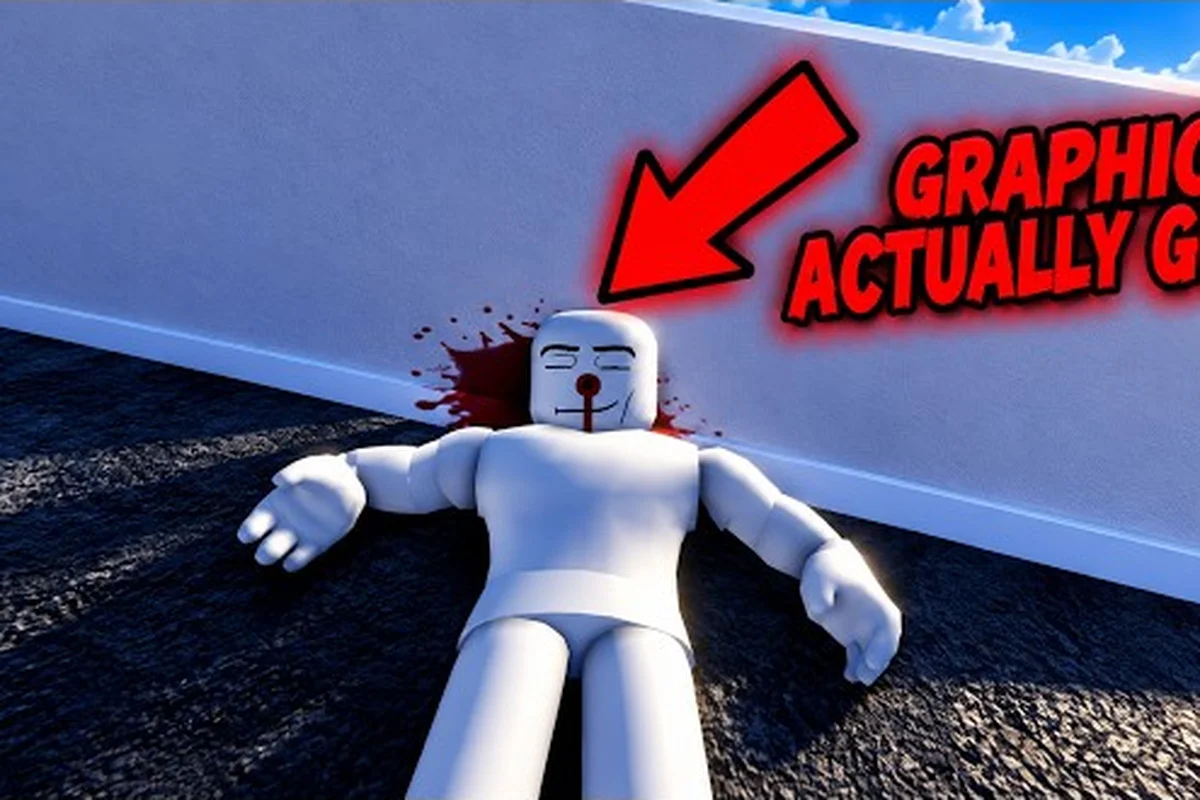
The Ragdoll Reality update summary matters because its October 2026 Halloween release adds a full zombie-and-infection loop to a newly launched physics sandbox. Get the confirmed new content, practical notification steps, and clear limits of what the developer has actually published.
Update Summary at a Glance
Ragdoll Reality launched on October 13, 2026, then received a Halloween-focused expansion built around graveyard conversion, zombie infection, and Horde mode. The official Ragdoll Reality game page is currently the clearest authority for these features because the experience does not publish version numbers, dated patch notes, or a public changelog archive.
That distinction is important: the content below separates confirmed mechanics from details the developer has not specified. A zombie can visibly pursue, pounce, and bite a dummy, but the public page does not disclose exact health values, bite damage, conversion timing, or the number of enemies in a wave.
| Confirmed October feature | Core effect | Publicly confirmed details | Missing information |
|---|---|---|---|
| Graveyard conversion | Turns a thrown dummy into a zombie | Zombies pursue, pounce, and bite | Conversion delay and control rules |
| Infection | A bitten dummy becomes infected | An infected dummy can convert others | Infection timer and resistance |
| Three zombie classes | Adds different movement speeds | Slow, normal, and fast classes | Health, damage, and spawn rates |
| Horde mode | Starts a wave-survival scenario | Activated by the Horde button | Wave count, size, and difficulty curve |
| Weekly updates | Signals an ongoing development plan | Players are asked to like and favorite | Release calendar and patch notes |
This overview provides the foundation for understanding Ragdoll Reality’s new content, while the lack of official specifications helps set realistic expectations for testing the systems.
What Counts as New Content
The Halloween package is more than a decorative seasonal layer. It changes the relationship between the player, the dummy, and the graveyard by introducing a repeatable conversion chain: throw a dummy into the graveyard, encounter a zombie, allow or provoke a bite, then potentially turn an infected dummy into another zombie.
The same update also adds a clear mode of play through the Horde button. Although the exact rules are still vague, this button suggests that players can launch a dedicated wave-survival activity rather than encountering zombies only as environmental hazards. The broader zombie mechanics can be examined in more detail through the Ragdoll Reality Horde update overview.
What Remains Unconfirmed
Several balance details are not available on the public game page. There is no published list of enemy health, bite damage, wave populations, or infection percentages, so claims that a particular class is statistically strongest would be guesswork. Likewise, no version numbering or dated changelog confirms the name of this release as a numbered patch.
Players should also avoid assuming that the experience has redeemable codes or a badge progression system. The official page lists neither, and the available badge data was empty as of October 25, 2026. This makes a code guide or badge roadmap misleading at present.
Graveyard Conversion and Zombie Classes
The graveyard conversion point is the centerpiece of Ragdoll Reality’s new content. Throwing a dummy into the graveyard produces a zombie, creating a direct interaction between the physics sandbox and the seasonal enemy system. The result then becomes a source of further danger because zombies chase, pounce, and bite nearby dummies.
This design is especially relevant to players who enjoy experimentation. Instead of treating the graveyard as a static location, players can use it to create enemies and test how physics-driven characters react to pursuit, contact, and infection. A first session is easier to understand with the Ragdoll Reality first-session basics, but the update’s core value lies in the new cause-and-effect loop.
| Zombie class | Official classification | Expected role in play | Unspecified balance data |
|---|---|---|---|
| Slow zombie | One of three speed classes | Approaches more deliberately | Health, damage, and movement rate |
| Normal zombie | One of three speed classes | Serves as the baseline class | Health, damage, and movement rate |
| Fast zombie | One of three speed classes | Creates shorter pursuit windows | Health, damage, and movement rate |
How Pace Changes the Threat
The three classes are officially identified as slow, normal, and fast. That confirms a movement-based distinction, but it does not reveal whether one class also has more health, stronger bite damage, or a larger collision model. Those distinctions can only be observed through play.
Players can begin with a controlled test. Throw one dummy into the graveyard, observe the resulting zombie, and record how quickly it closes the distance. Repeat the process with a fresh dummy while keeping the starting position and timing similar. This simple method offers more reliable information than assuming that the fastest zombie is automatically the most dangerous.
| Test variable | What to keep consistent | What to record |
|---|---|---|
| Initial distance | Use the same starting point | Time before the zombie moves |
| Dummy placement | Keep the target stationary | Time until pursuit begins |
| Contact window | Avoid additional collisions | Number of jumps or bites |
| Session conditions | Use the same area and load | Whether the behavior changes over time |
Infection as a Multiplier
A bitten dummy is described as infected and able to convert, which makes infection a system multiplier rather than a simple status effect. One zombie encounter can therefore affect more than one dummy if players allow the chain to continue. The update creates a form of emergent content because a single graveyard interaction may produce several threats.
The exact conversion rules remain unstated. It is unclear whether infection occurs immediately, after a short delay, or only after repeated bites. It is also unknown whether an infected dummy must return to the graveyard before becoming a zombie. Without those answers, early testing should focus on observing the sequence rather than planning around a fixed timer.
Developer Updates and the I Am Eating Update
The developer is listed as the Roblox group I am eating, and the latest major content package arrived only twelve days after the October 13 launch. The Ragdoll Reality I am eating update therefore appears to be an early, fast-moving response to player interest, combining a Halloween theme with new gameplay systems instead of relying only on visual reskins.
The official page says updates will continue weekly, yet it does not provide a stable release schedule, numbered versions, or downloadable patch notes. That means “weekly” is a stated development intention rather than a guarantee of a major feature every seven days. Small fixes, balance adjustments, and larger additions may all be distributed through the live Roblox experience.
| Update communication method | Current status | Best use |
|---|---|---|
| Official game page | Confirmed feature summaries and public metrics | Verify headline mechanics |
| Roblox experience client | Direct access to live changes | Inspect current systems in play |
| Like and Favorite prompts | Requested by the developer | Improve exposure to notifications |
| Public changelog archive | Not found | No historical patch comparison available |
| Numbered versions | Not published | No version-specific support needed |
Why the Fast Launch Matters
An early update can reveal how the developer reacts to player behavior, but it also means balance information can change quickly. A strategy that works on launch day may feel different after an adjustment, especially when zombie speed and Horde mode are involved. The detailed Ragdoll Reality patch notes reference helps separate the known Halloween scope from later changes that may not yet have formal documentation.
The public metrics also suggest strong early interest. On October 25, 2026, the game page showed approximately 9.55 million visits, 55,700 concurrent players, and 34,700 favorites. Its like-to-dislike ratio was about 9,761 to 2,142. These figures demonstrate reach, but they do not by themselves reveal how many people regularly use the new zombie systems or how often players return.
Current Server Limitations
Ragdoll Reality is listed as a single-player server with a maximum of one player. VIP servers are not enabled, and there is no private-server or co-op mode as of the captured page data. That limitation changes how the Horde update should be evaluated: wave survival is a solo activity, so the difficulty of a crowded encounter depends on positioning and prioritization rather than teammate support.
| Server feature | Public status | Practical meaning |
|---|---|---|
| Players per server | One | Each session runs solo |
| Co-op | Not available | No teammate-assisted Horde strategy |
| Private servers | Not available | No separate custom-server access |
| VIP servers | Not enabled | No listed VIP-server option |
These server conditions also mean community multiplayer tactics cannot be applied directly. Every zombie class, infection chain, and wave decision is handled within one session.
How to Get Update Notifications in Roblox
Roblox provides the most direct route to Ragdoll Reality update notifications. The official page asks players to like and favorite the experience, and Roblox uses those signals to improve discovery. Favoriting is especially useful because it is a persistent action, while a like can be changed if the player’s opinion changes later.
The practical process is straightforward. Open the official game page, sign into the same Roblox account used for play, select the like control, and add the experience to Favorites. Players should also enable account notifications in Roblox and watch the game’s official community surfaces for developer posts. The Ragdoll Reality launch and update notification details expand on the difference between liking, favoriting, and expecting a formal patch-note message.
| Action | Likely signal | Best for |
|---|---|---|
| Like the experience | Ongoing interest and discovery | Players who want prominent placement |
| Favorite the experience | Persistent follow interest | Players who want the game easier to find |
| Enable Roblox notifications | Platform-level messages | Players who want general alerts |
| Check the official page | Feature summaries and engagement data | Players verifying current content |
| Check official community posts | Developer announcements | Players seeking release context |
What Notifications Can and Cannot Promise
Liking and favoriting may improve visibility, but Roblox does not guarantee that every player receives a notification for every server change. The official page also has no subscription button for patch notes, and no public archive exists. Players should therefore treat notifications as a discovery aid rather than a dependable changelog service.
A reliable monitoring routine includes opening the experience every few days, checking the game page description, and reviewing recent official community posts. If a new version introduces a separate system, the absence of formal patch notes will make side-by-side testing more important. The Ragdoll Reality next-update tracking reference can help readers distinguish confirmed announcements from speculation about a release date.
Practical Ways to Test the New Content
Testing the new zombie content should focus on observable behavior because official balance values are missing. Start by creating a controlled environment: one stationary dummy, one graveyard conversion, and a clear route for the enemy to approach. Record the results before introducing infection, additional dummies, or Horde mode. This order makes it easier to identify which mechanic caused an outcome.
The Horde button should be tested last because it potentially combines several of the update’s systems. Players who begin with a crowded wave may mistake crowd density for a conversion effect or a specific class behavior. Breaking the test into stages produces clearer observations and prevents incorrect conclusions about health, damage, or spawn rates.
| Testing stage | Setup | Main question | What remains unverified |
|---|---|---|---|
| Graveyard conversion | One dummy, one graveyard | Does every throw create a zombie? | Conversion timing |
| Class observation | Similar starting positions | How do the three speeds differ? | Health and damage |
| Infection chain | One bite target | Can infection create more zombies? | Delay and resistance |
| Horde mode | Stable starting conditions | How do waves escalate? | Population and difficulty curve |
Building a Useful Observation Log
A short log makes future comparisons much more reliable. Note the date, whether the client was updated, the dummy’s starting position, the class observed, and the time from conversion to first contact. When another patch arrives, repeating the same sequence can reveal changes that a general impression would miss.
Players can also test whether the graveyard behaves consistently when multiple dummies are thrown in quick succession. Because Ragdoll Reality is built around physics, placement and timing may influence results. However, a single observation should not be treated as proof of a rule; repeated trials are necessary when the game is still changing weekly.
Interpreting Community Reports
Player reports are useful for identifying possible bugs, odd behavior, and balance concerns, especially for systems as new as infection. The correct framing is “reported by players” rather than presenting an anecdote as official design intent. If several players describe the same unusual result, checking the current client and reproducing the sequence should come next.
There is currently no formal community archive linked from the game page in the supplied source data. This makes direct, dated observations more valuable than uncited summaries. The broader Ragdoll Reality new content should always be measured against the official page when a specific mechanic is in dispute.
Frequently Asked Questions
What is the latest Ragdoll Reality update summary?
The October 2026 Halloween release added graveyard zombie conversion, infection, slow, normal, and fast zombie classes, plus a Horde mode. The experience launched on October 13, and the official page does not provide version numbers or a dated changelog, so later live changes may extend this baseline.
What is new in Ragdoll Reality?
The new content centers on turning dummies into pursuing zombies, allowing bites to infect them, and launching a Horde wave through a dedicated button. Three speed classes provide different approaches, although exact health, damage, conversion timing, and wave population values have not been published.
Who develops Ragdoll Reality?
Ragdoll Reality is developed by the Roblox group I am eating. Its early development has included a rapid Halloween addition after the October 13, 2026 launch, with the official game page promising weekly updates but no fixed public release schedule.
How do I receive Ragdoll Reality update notifications?
Like and favorite the experience on its official Roblox page, then enable account-level notifications in Roblox. These actions can improve discovery, but they do not create a formal patch-note subscription. Check the game page and official community posts for confirmation because no changelog archive currently exists.
Does the Halloween update include codes or badges?
No active code-redemption system or badge system is listed for Ragdoll Reality as of October 25, 2026. The available badge data was empty, and the official page publishes no codes. Any guide promising current code rewards or badge milestones would therefore describe an unsupported feature.